
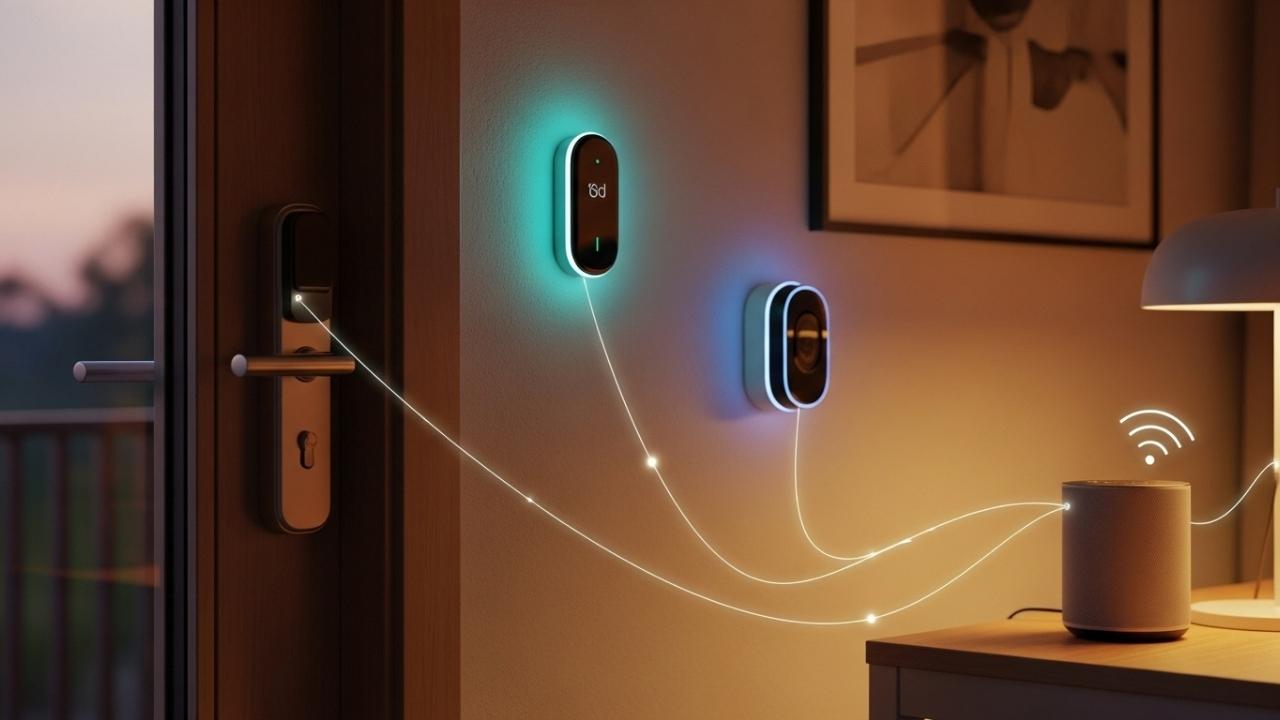
Every day, I meet individuals who are enthusiastic about their smart homes. You might be one of them. Perhaps you have a smart lock on your home, a smart thermostat to save energy, or a smart TV to stream your favorite shows. These smart home gadgets make life quicker, easier, and more connected. But for every benefit, there is a dark side.
The more IoT gadgets you add, the more your home ultimately belongs to the internet of things, or IoT. As appealing as that sounds all futuristic and convenient it also poses serious cybersecurity risks. Hackers aren’t only targeting big companies any longer. They peer into homes like ours and yours, where connected devices are often left unguarded.
Your smart device will be your home network leeching weakest link if it is not secure. Attackers can use passwords they’ve scraped to gain unauthorized access, to steal personal information, or in some cases to take over devices including security cameras and smart locks. This is why you cannot in good faith ignore best practices when it comes to securing IoT. It’s an elementary element for protecting your family and your data.
What Makes a Smart Home “Smart,” Anyway?
When people speak of “smart homes,” they usually emphasize the comfort and convenience afforded by a digital housekeeper that knows, or learns to anticipate, your every whim. I can tell a voice command to adjust my lights and you can see who’s at your door on your phone while you’re at work. This is the power of connected devices.
Some common smart home devices in the USA:
Smart Locks – Remote control of access to your home.
Smart Security Cameras – Watch your home in real time.
Smart Thermostats – Change the temperature without lifting a finger to save energy.
Smart TVs – Stream services, access apps, and even sync to other screens.
Smart Speakers and Assistants – Assistance with reminders, using the internet, and controlling other smart devices.
Each is a node on your smart home network. They also often gather data so they can improve. A smart thermostat, for example, learns your schedule, and a smart security camera saves video. That is because such data can be used to make the process more convenient while also creating more of the type of sensitive information that would be put at risk.
The Expanding Landscape of IoT in the USA

In the US, an average house already hosts over a dozen IoT-connected devices on its home network. Consider phones, laptops, smart speakers, TVs, and yes, even smart refrigerators. Each new device creates an incremental benefit, but it also adds to cybersecurity headaches.
The increasing number of connected devices gives attackers more options. When a single IoT device is insecure, your IoT system can be compromised. The devices typically aren’t packed full of robust security features by default. A lot of them don’t have automatic security updates or very strong passwords. If you fail to do so, this poses a massive security risk.
Benefits of a Connected Home
To be clear, I’m not saying smart homes are bad. They can bring real benefits:
Convenience: Control or schedule lights remotely.
Savings on Energy: Smart thermostats and smart plugs save on energy bills.
Improved Security: Smart cameras and alarms make it simpler to keep tabs on your home.
Accessibility: Voice assistance can be useful for aging family members or those with special needs.
But all of those benefits don’t mean anything if you aren’t also securing your smart home. It may be something of a risk-to-reward ratio, without adequate cybersecurity measures.
Security Risks in Smart Homes
So what are the real dangers? Below, I explain the cybersecurity threats that most people face in a smart home.
Unauthorized Access
If someone hacked your smart lock or security camera, that person could stalk any member of your family or monitor when people enter and leave your home. This is only possible because of weak passwords and default settings.
Privacy and Data Collection
Smart home gadgets scoop up more information than you might think. From video streams to audio feeds, your private moments will literally be part of the IoT. This data can be leaked if not heavily guarded in terms of privacy and security.
Device Hijacking and Botnets
That makes these things all too easy to exploit: After more or less any new internet-of-things device is connected to a network, hackers will take it over and add it to a botnet. It means that your smart TV or your router can be enlisted in some enormous cyber attacks and you won’t even realize it.
Security Vulnerabilities in IoT Devices
Many devices are not designed with strong security measures. Many are hurried to market without sufficient testing. They also may not receive routine security updates or patches, leaving known vulnerabilities unmitigated.
Why So Many IoT Devices Are Being Compromised
You may be thinking: why can’t smart home devices be more secure? There are a few reasons:
Low-Cost Production: To keep prices low, companies skimp on cutting-edge security.
No Overarching Standards: Unless there’s a good effort to secure IoT, IoT security standards are not ubiquitous.
Uninformed Users: A lot of people buy ‘internet of things’ (IoT) devices but never change the default password.
No Updates: Most devices receive security patches for only a few years.
Which is why your own security posture is up to you. You need to own device security, network security, and cybersecurity at home.
Cybersecurity Protocols: Building the Foundation
Now that we’ve considered the risks, here’s the solution. I always say: Treat your smart home like a real home. You wouldn't leave your front door standing wide open, would you? So why leave your IoT toys unattended?
And here are some security steps and best practices you and I can employ right away:
1- Strong Authentication
Always change default passwords.
Create strong, unique passwords for each device.
If it is, require available two-factor authentication for an added layer of security.
2- Regular Updates
Make sure your devices are running the latest security patches.
Visit the manufacturers’ websites for firmware updates.
Set reminders if your devices don’t do it automatically.
3- Network Security
To protect your Wi-Fi, turn on WPA3 encryption.
Set up a dedicated network for your IoT devices.
Restrict access to the people who really need it.
4- Monitor Devices and Systems
Check which devices are on your home network.
Remove unknown devices immediately.
Leverage apps or dashboards that provide insight into your IoT ecosystem.
Best Practices for IoT Security
These best practices for securing IoT may seem simple, but they give IoT devices a strong security stance in your home. Every action is an additional level of security.
Updating your passwords helps guard against unauthorized access.
Regular updates prevent security breaches.
Network isolation also removes the possibility for a weak device to take all down.
Being able to track your devices and systems keeps you informed if there are any intrusions.
Think of this as layering strong security brick by brick. You don’t have to be an expert in cybersecurity. All you have to do is have to enforce these habits.
Why Smart Devices Are Targets

When I speak to friends or neighbors about smart homes, one of the first things they say is usually, “Why would anyone want my house to be hacked?” The fact is that you might not be worth a dedicated campaign, because hackers don’t care who you are. They care about access.
Your internet of things devices, your smart lock and your smart TV, they are all tiny computers connected to your home network. That means they can be hacked just like a laptop or a phone.
A lot of IoT devices do not have strong security protections, meaning that they are easy to target. Hackers are well aware that people don’t always change default passwords, update software or monitor what their devices are doing. For hackers, this is akin to not locking the front door.
Most Common Security Risks for Smart Homes
Unauthorized Access
Try to imagine if everyone who broke into your smart lock could now walk into your home. Or, worse, if they were peeking through your security cameras. Poor authentication and reused passwords combine to put unauthorized access at the top of smart home devices security concerns.
Device Hijacking and Botnets
Hackers don’t always hold your various devices hostage directly. This sees many IoT devices taken over and used as part of a botnet. That means your smart thermostat or smart TV may be co-opted in silence by other people in global cyberattacks. These attacks don’t only hurt you they also enable criminals to hijack whole networks.
Privacy Violations
Smart home gadgets harvest all kinds of personal data. Your smart speaker is eavesdropping on your conversations, your smart thermostat is tracking your daily routine and your smart TV is watching you. And without strict privacy and security practices, that sensitive information could get into the wrong hands.
Malware and Ransomware
IoT devices can be attacked by malware just like computers. Ransomware could be used to lock you out of your devices unless you pay a ransom. As unpatched security vulnerabilities mount, this risk multiplies over time.
Weak or Missing Security Updates
Many of the devices are missing the latest security credentials and patches. And when updates are available, many people simply forget to install them. That creates openings for attackers to exploit. A security patch is the last line of defense keeping you from a massive data breach.
Why Devices Are Typically Not Secure Enough
So, why do these risks persist? The explanation is how the IoT market operates.
Speed over safety: Factories that supply Europe rush out new gizmos. Security becomes an afterthought.
No consistent standards: Some companies have solid IoT security best practices, and some don’t.
Brief device life: Many devices are only supported for a couple of years before updates end.
Low user awareness: You and I might prioritize convenience over all else, without verifying the security settings first.
This has created an environment where devices are often insecure, and homes getting exposed.
IoT Security Best Practices
Now let’s shift gears. The good news is, you don’t need to be a cyber security expert in order to beef up your defenses. It just requires adhering to best practices every day.
Secure Your Home Network
Your home network is the support system for your IoT environment. If it’s weak, every device that’s connected is vulnerable.
Use WPA3 encryption for Wi-Fi.
Use your router’s default admin credentials.
Begin using a dedicated IoT network and not on your own devices.
Frequently review attached devices.
Strong Device Security Habits
There’s a danger in every smart device you buy. Sound the alarms about your device security with these steps:
Change default usernames and passwords.
Make sure you use different, strong passwords for each device.
Enable two-factor authentication when available.
Check permissions for the apps frequently.
Keep Devices Updated
Updating devices is one of the simplest and most effective defenses.
Keep your firmware updated, as soon as updates become available.
Enable automatic updates whenever possible.
Some devices are no longer even being supported with security patches, and it’s time to replace them.
Limit Device Permissions
Numerous smart home gadgets gather more data than they should.
Review and disable unnecessary permissions.
Prevent apps from using sensitive data.
Limit the shared data with privacy settings.
Add Extra Layers of Security
Think about security as layers of clothing: You add more when you need more protection.
Utilize firewalls to filter unnecessary traffic.
Supplement with IDSes for detection of suspicious activity.
Look into security tools like VPNs for smart devices.
Case Study: An American Household of Average Smartness
Here’s a picture: You live in a house with just 15 connected devices. You’ve got smart locks on the doors, a smart thermostat, security cameras, a few smart TVs and voice assistants in just about every room.
If even just one of those devices isn't getting security updates, your entire IoT environment is at risk. A bad actor could find a crack there, sneak in, and move sideways to other devices and systems.
By implementing best practices for securing the IoT, you create a barrier against threats such as these. Your security profile is better and you can relax in the knowledge that your family is secure.
Security Challenges You Can Expect
Even if you’ve followed all the advice above, you will still have some eternal cybersecurity challenges.
Rising number of connected devices: With each year, more and more gadgets flood the market. All of these create potential security problems.
Uneven security: Not all brands have equally strong security features.
Cyber threats are multiplying: Hackers consistently discover new ways to cash in on vulnerabilities.
User responsibility: There’s only so much the manufacturer can do. We (you and I) are forced to follow cybersecurity hygiene.
Creating Long-Lasting Security Strategy
The objective is not simply to repair today’s security holes but also to rebuild in anticipation of tomorrow’s. That entails a security strategy that grows and supplements your smart home ecosystem.
Conduct regular audits of your devices and networks.
Replace insecure devices with secure devices DONE Consider upgrading devices with antiquated cybersecurity capabilities.
Keep updated on new security offerings and best practices of keeping IoT devices secure.
Educate your family on what is a safe practice, from staying away from strange links or apps.
Summary
Smart homes are all about comfort and convenience, but they also introduce new cybersecurity points of attack. Most smart gadgets are poorly guarded, so homes are vulnerable (to creepy hackers and malware) and easy to break into (privacy-wise).
By employing best practices such as strong passwords, updating devices, and segregating networks, you can raise your security posture. The more layers of control measures, from firewalls to monitoring tools, the less risks even in a world that is more and more connected.
You can’t fix stupid, but with a little discipline and focus, your smart home ecosystem can remain secure and you can play with confidence in technology you can trust.