
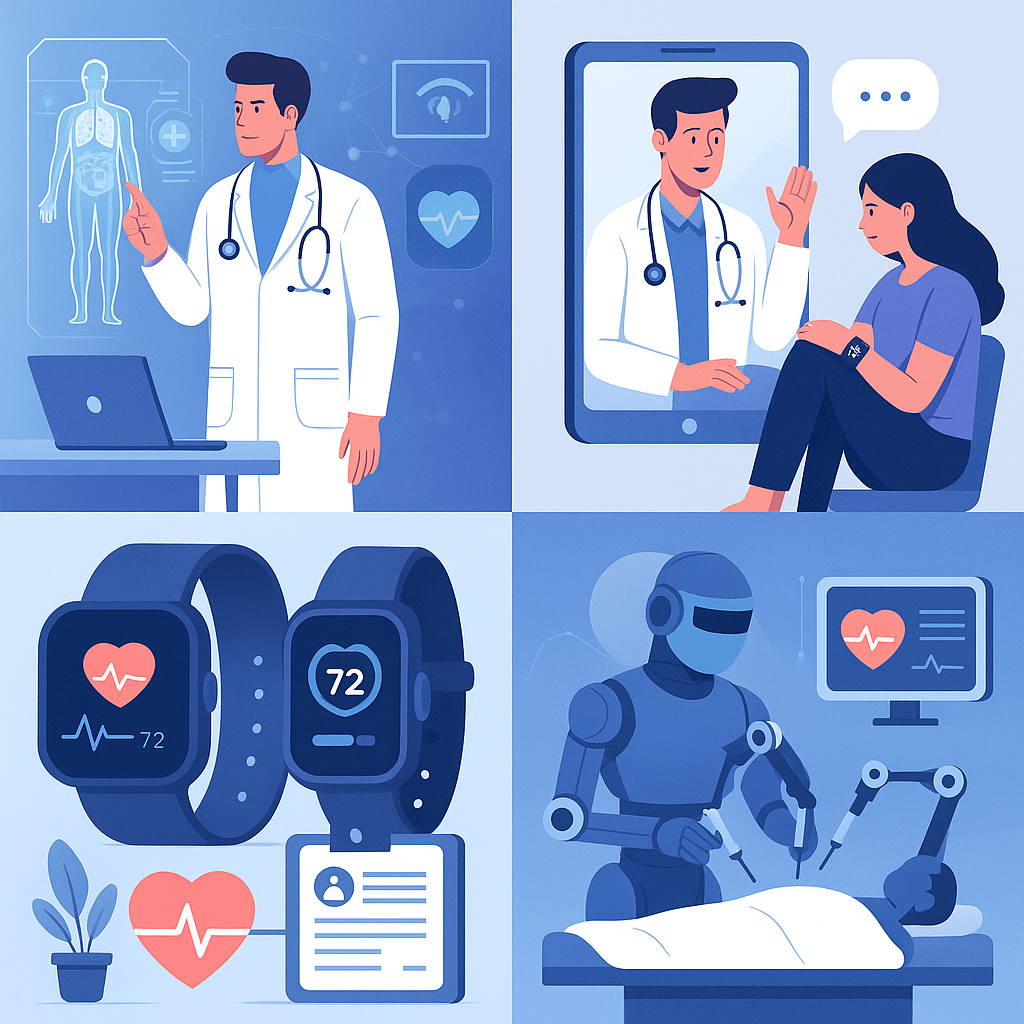
Introduction to Technology in Healthcare
The rapid integration of technology in healthcare has sparked a revolution in how patients are diagnosed, treated, and cared for. With each passing year, digital innovations—from AI-driven tools to wearable monitors—are transforming hospitals, clinics, and even home-based care. Technology not only enhances patient outcomes but also improves efficiency, reduces costs, and empowers individuals to take charge of their health like never before.
Historical Overview: The Evolution of Medical Technology
Healthcare technology has evolved remarkably over the last century. From rudimentary stethoscopes to today’s robotic surgeons, progress has been steady and impactful. The development of X-rays, MRI scanners, and pacemakers marked major milestones. Fast forward to the 21st century, and we now see integrated systems that blend software, data analytics, and biomedicine to deliver precision-driven treatments.
The Role of Artificial Intelligence in Modern Healthcare
Artificial Intelligence (AI) is a game-changer in the medical field, enabling faster, more accurate diagnoses and customized treatment plans.
-
AI in Diagnostics and Imaging
AI-powered algorithms are being used to analyze radiology images, detecting diseases like cancer, pneumonia, and stroke at earlier stages. Tools like Google’s DeepMind have even outperformed human radiologists in breast cancer detection. These innovations drastically reduce diagnostic time and enhance accuracy.
-
Predictive Analytics for Preventive Care
Healthcare systems are now harnessing predictive models to identify patients at risk of chronic conditions. AI tools process EHRs and wearable data to flag early signs of heart disease, diabetes, and more—allowing for timely interventions.
Telemedicine: Revolutionizing Remote Patient Care
Once a niche service, telemedicine has become a healthcare staple, especially post-COVID-19. It allows patients to consult doctors via video calls, reducing travel time, exposure risk, and treatment delays.
Benefits of Telehealth for Patients and Providers
- Access to specialists regardless of location
- Convenient follow-ups for chronic conditions
- Reduced hospital readmissions
Limitations and Challenges of Telemedicine
Despite its benefits, telemedicine faces challenges such as:
- Limited digital access in rural areas
- Patient data privacy concerns
- Regulatory variations across regions
Wearable Technology and Remote Monitoring Devices
The global popularity of health wearables—like Fitbits and Apple Watches—reflects a shift toward proactive health management.
Common Types of Health Wearables
- Heart rate monitors
- Sleep trackers
- ECG-enabled smartwatches
- Blood glucose sensors
Real-time Health Data and Chronic Disease Management
These devices continuously collect health metrics, sending real-time alerts to healthcare providers. This enables better management of conditions like hypertension, diabetes, and arrhythmias, often before symptoms escalate.
Electronic Health Records (EHR) and Data Integration
Digital health records have streamlined the documentation and retrieval of patient information.
-
Streamlining Patient Information
EHR systems store everything from lab results to prescriptions, giving healthcare professionals a holistic view of a patient’s medical history.
-
Enhancing Care Coordination
Improved data sharing between providers leads to coordinated care plans, reducing medical errors and ensuring better continuity of care.
Robotics and Automation in Surgery and Rehabilitation
Surgical robots like Da Vinci systems have elevated the precision of minimally invasive procedures.
Robotic-assisted Surgeries :
These machines allow surgeons to perform complex procedures with micro-movements and 3D visualization, resulting in:
- Smaller incisions
- Reduced blood loss
- Faster recovery
AI-powered Physical Therapy Solutions
Robotics in rehabilitation—like exoskeletons—help patients regain mobility post-stroke or injury through intelligent movement tracking.
Mobile Health Apps and Personalized Care
There’s an app for almost every health need—from calorie tracking to mental wellness.
Popular Health Apps and Their Benefits
- MyFitnessPal: nutrition tracking
- Headspace: guided meditation
- Medisafe: medication reminders
Risks and Regulation of Health Apps
While helpful, these apps must comply with data security standards and be medically validated to avoid misinformation.
Genomics and Precision Medicine
Advances in genomics are ushering in an era of personalized treatment based on a patient’s DNA.
-
DNA Sequencing and Tailored Treatments
By analyzing genetic variations, doctors can now customize cancer treatments, prescribe the most effective drugs, and identify potential health risks early on.
-
Ethical Implications of Personalized Medicine
However, precision medicine raises concerns about genetic privacy and the affordability of advanced therapies.
Blockchain in Healthcare: Securing Patient Data
Blockchain technology is being used to securely store and share health records. It ensures tamper-proof, decentralized data that patients control—enhancing transparency and trust in medical systems.
Technology in Mental Health: Digital Therapy Solutions
From AI chatbots like Woebot to virtual therapy platforms like BetterHelp, tech is breaking barriers in mental health access. These tools offer:
- 24/7 support
- Reduced stigma
- Affordable counseling options
The Future of Technology in Healthcare
-
Emerging Innovations in Health Tech
Technologies like 3D-printed organs, nanomedicine, and smart implants are already on the horizon, promising even greater precision and patient outcomes.
-
Preparing for the Next Generation of Smart Healthcare
Healthcare systems must invest in training, cybersecurity, and infrastructure to ensure these innovations are implemented safely and effectively.
Challenges and Concerns with Technology Adoption
Despite its promise, tech in healthcare faces obstacles:
- High implementation costs
- Cybersecurity threats
- Digital literacy gaps among older populations
- Ethical dilemmas around data use
Conclusion: Balancing Innovation and Human Touch in Healthcare
The integration of technology in healthcare marks a turning point in how we approach medicine, patient well-being, and the healthcare system as a whole. From life-saving diagnostics to everyday wellness apps, technology empowers both professionals and patients to achieve better health outcomes.
However, as we embrace this digital transformation, it’s crucial to maintain the human element—compassionate care, ethical responsibility, and personal interaction—at the heart of medicine. By balancing innovation with empathy, we can ensure a healthier, more inclusive, and more technologically advanced future for all.
Frequently Asked Questions (FAQs)
1. What is the impact of technology on patient care?
Technology in healthcare has significantly enhanced patient care by enabling faster diagnoses, personalized treatments, better monitoring, and more efficient communication between patients and providers. It has also improved access to care through innovations like telemedicine and wearable health devices.
2. How does artificial intelligence help doctors?
AI assists doctors by analyzing large sets of medical data quickly and accurately. It can detect patterns in medical images, suggest diagnoses, recommend treatments, and predict patient outcomes—all of which support more informed clinical decisions.
3. Are wearable devices reliable for health monitoring?
Yes, most modern wearable health devices are quite accurate, especially for general metrics like heart rate, sleep patterns, and physical activity. However, they should not replace professional medical evaluations but rather supplement regular checkups.
4. What is telemedicine and how does it work?
Telemedicine allows healthcare professionals to evaluate, diagnose, and treat patients remotely using telecommunications technology. It includes video calls, remote monitoring, and mobile health apps, making healthcare more accessible, especially for those in rural or underserved areas.
5. Is patient data safe with digital health technologies?
Digital health technologies use encryption, secure servers, and blockchain protocols to protect patient data. However, like all digital platforms, they are still vulnerable to cyberattacks. Strong cybersecurity measures and compliance with health regulations like HIPAA are essential.
6. What does the future of technology in healthcare look like?
The future is promising, with advances in precision medicine, AI-powered diagnostics, virtual reality for therapy, 3D-printed organs, and even brain-computer interfaces. These technologies will further personalize and democratize healthcare while improving outcomes and efficiency.